What is Cognitive-Behavioral Therapy
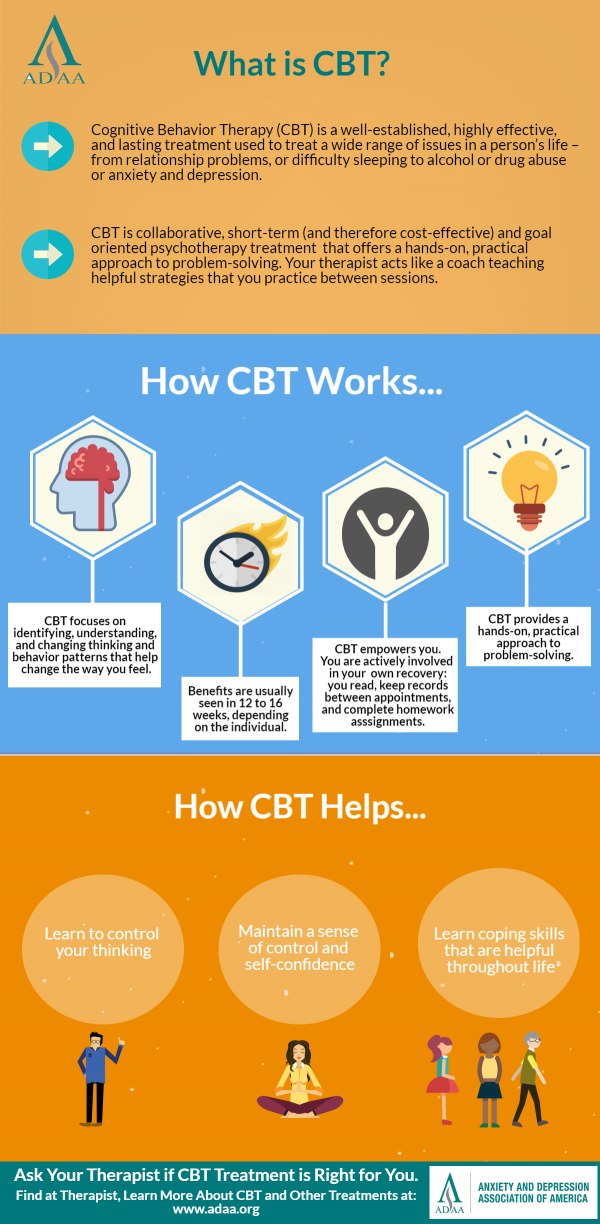
Cognitive-behavioral therapy (CBT) is psychotherapy that treats problems and boosts happiness by modifying dysfunctional emotions, behaviors, and thoughts. It prioritizes solutions over exploring childhood origins, distinguishing it from traditional psychoanalysis.
When is CBT used?
CBT addresses emotional challenges including:
- Managing mental illness symptoms
- Preventing relapse
- Treating mental illness when medication isn’t suitable
- Learning coping techniques for stressful situations
- Managing emotions effectively
- Resolving relationship conflicts
- Coping with grief or loss
- Overcoming trauma from abuse or violence
- Managing medical illness symptoms
- Handling chronic physical symptoms
What to expect from CBT?
CBT may be conducted individually or in groups with family members or people sharing similar issues. It typically includes:
- Learning about your mental health condition
- Learning and practicing relaxation, coping, resilience, stress management and assertiveness techniques
How CBT works?
The purpose of cognitive behavioral therapy is to change thinking and behaviors that prevent positive outcomes. It focuses on current thoughts and beliefs rather than past exploration, practicing skills for recognizing distorted thinking and modifying beliefs.
Benefits of CBT?
Treatment strategies include:
- Facing fears instead of avoiding them
- Using role playing for problematic interactions
- Learning relaxation and mind-calming techniques
- Recognizing and reevaluating distorted thinking
- Understanding others’ behavior and motivation
- Developing problem-solving skills
- Building confidence in personal abilities
Mental disorders with CBT
Conditions that may improve with CBT:
- Sleep disorders
- Sexual disorders
- Depression
- Bipolar disorders
- Anxiety disorders
- Phobias
- Obsessive-compulsive disorder (OCD)
- Eating disorders
- Substance use disorders
- Schizophrenia
- PTSD
How long is CBT?
CBT is generally considered short-term therapy — about 10 to 20 sessions. Duration depends on:
- Type of disorder or situation
- Symptom severity
- Duration of symptoms
- Progress speed
- Current stress levels
- Family and social support
Why Cognitive Behavioral Therapy
CBT teaches effective coping strategies for dealing with different problems throughout life. The core principle: distorted thinking leads to distress and problematic behaviors, whereas thinking realistically with less negativity allows individuals to respond to challenging life circumstances in an effective way.
The therapy involves problem identification, establishing attainable goals, emphatic communication, frequent feedback, reality checks, homework assignments, and teaching tools for positive behavioral change.
What’s the Difference Between CBT and DBT?
Cognitive Behavioral Therapy
CBT is among the most widely practiced types of therapy used by psychologists and psychiatrists. Patients learn the relationship between their thoughts, feelings and behaviors and how each influences the others.
Example: Believing no one loves you leads to depression and loneliness, potentially causing avoidance of relationships.
Over limited one-on-one sessions, CBT enables individuals to recognize, manage and adjust thoughts that lead to painful or destructive outcomes.
Dialectical Behavior Therapy
DBT is a CBT branch developed to enhance effectiveness with borderline personality disorder. Now used for broader mental health issues.
With DBT, the emphasis is on social and emotional aspects of day-to-day living. Alongside individual counseling, weekly group therapy develops skills in:
- Interpersonal effectiveness
- Emotion regulation
- Mindfulness
- Distress tolerance and reality acceptance skills
Mental Health and Addiction can be Intertwined
Mental health, substance abuse and addiction frequently co-occur. Long-term addiction changes brain chemistry, potentially causing depression and anxiety. Conversely, psychiatric symptoms can prompt self-medication attempts.
Addressing both issues simultaneously proves vital for successful recovery. CBT and DBT are individualized based on patient needs, with therapists helping determine the most effective approach.
Call us at 469-714-0006 or email us at info@exulthealthcare.com
Schedule an Appointment
Ready to take the first step toward better mental health?
Get StartedCall: (469) 714-0006
Our Locations
McKinney
4801 Medical Center Dr
McKinney, TX 75069
Sherman
600 E Taylor St
Sherman, TX 75090